Masha Washing Station

from $26.00

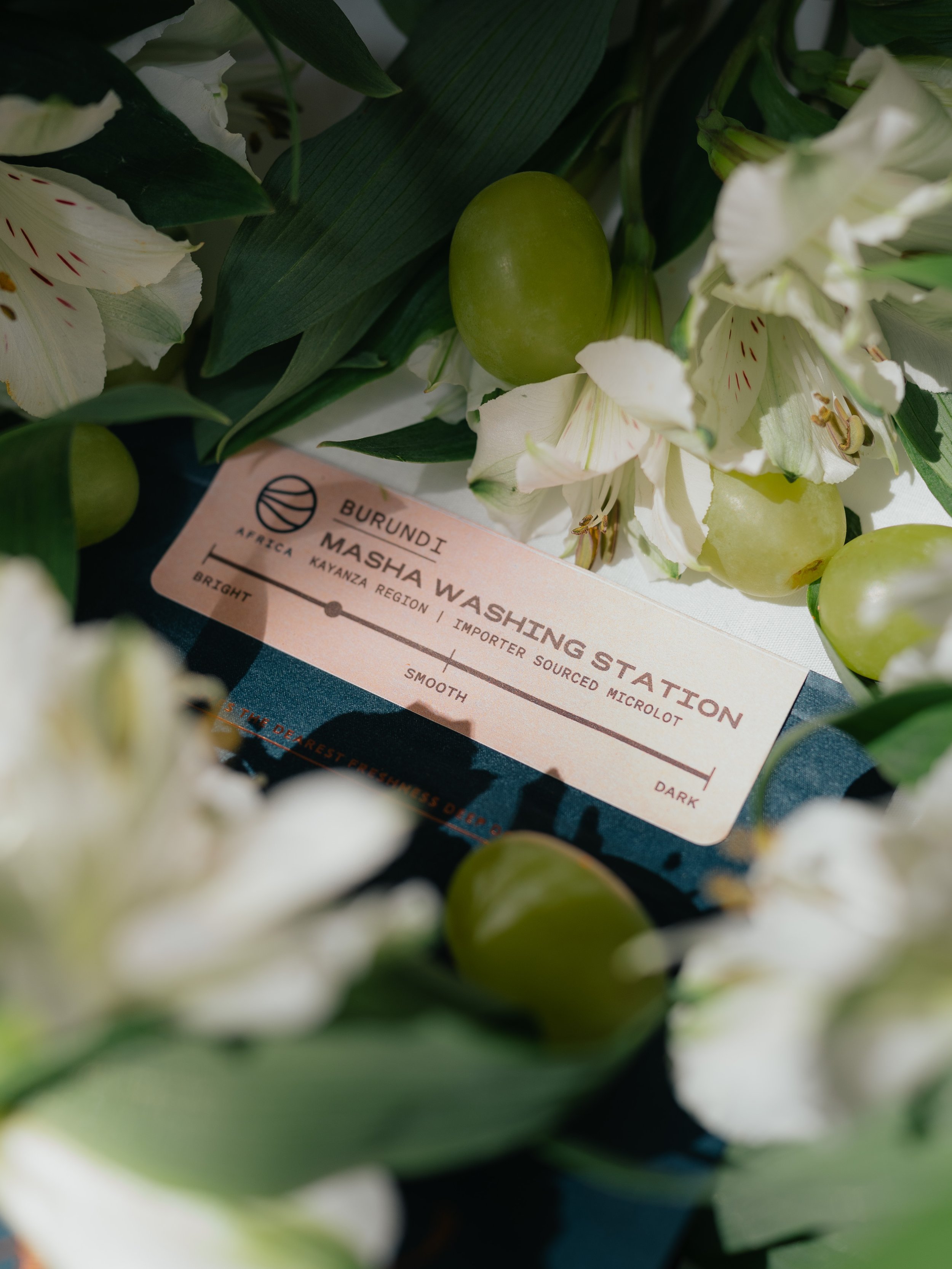
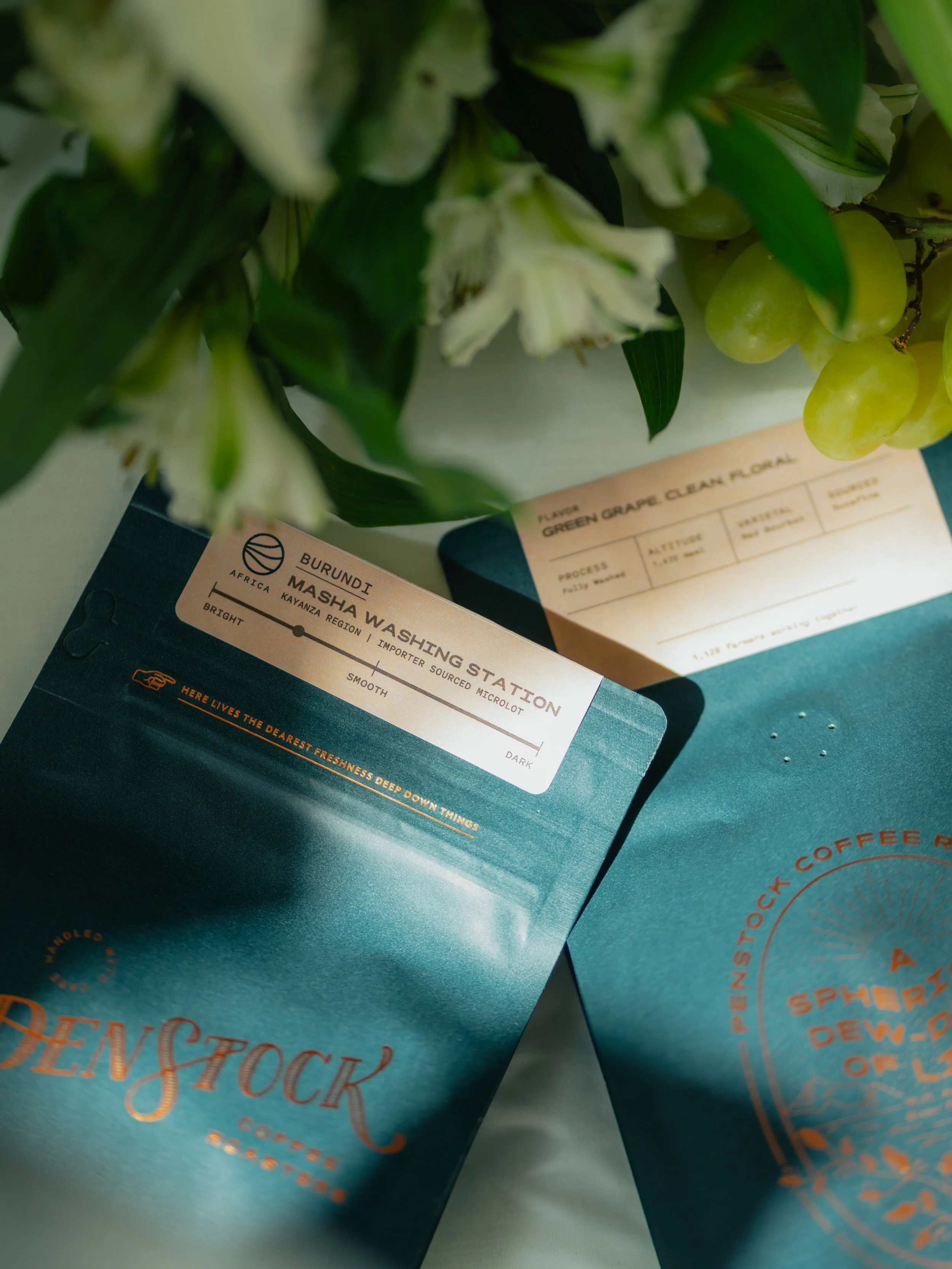
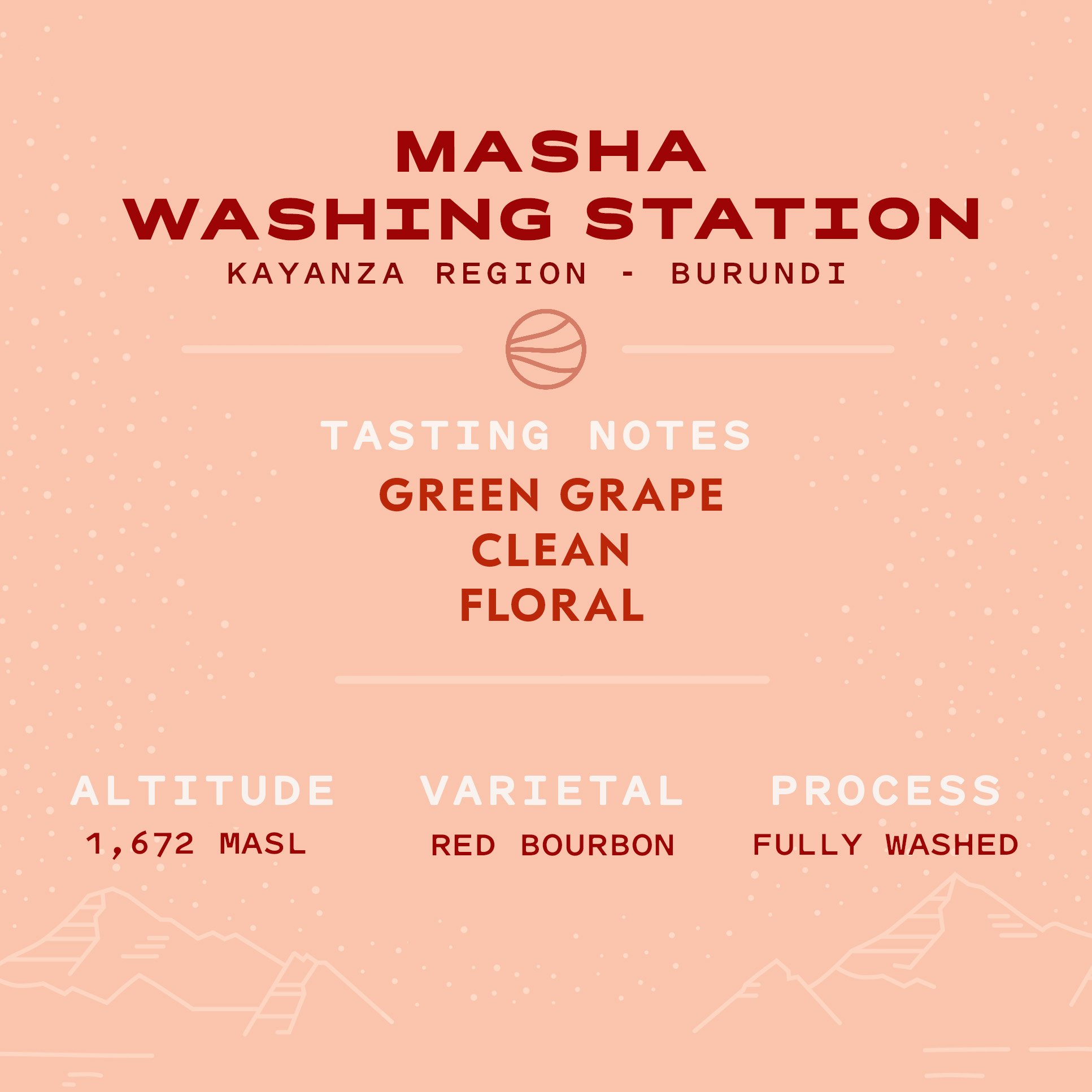
Country: Burundi
Region/Subregion: Kayanza / Gihororo
Washing Station: Masha Washing Station
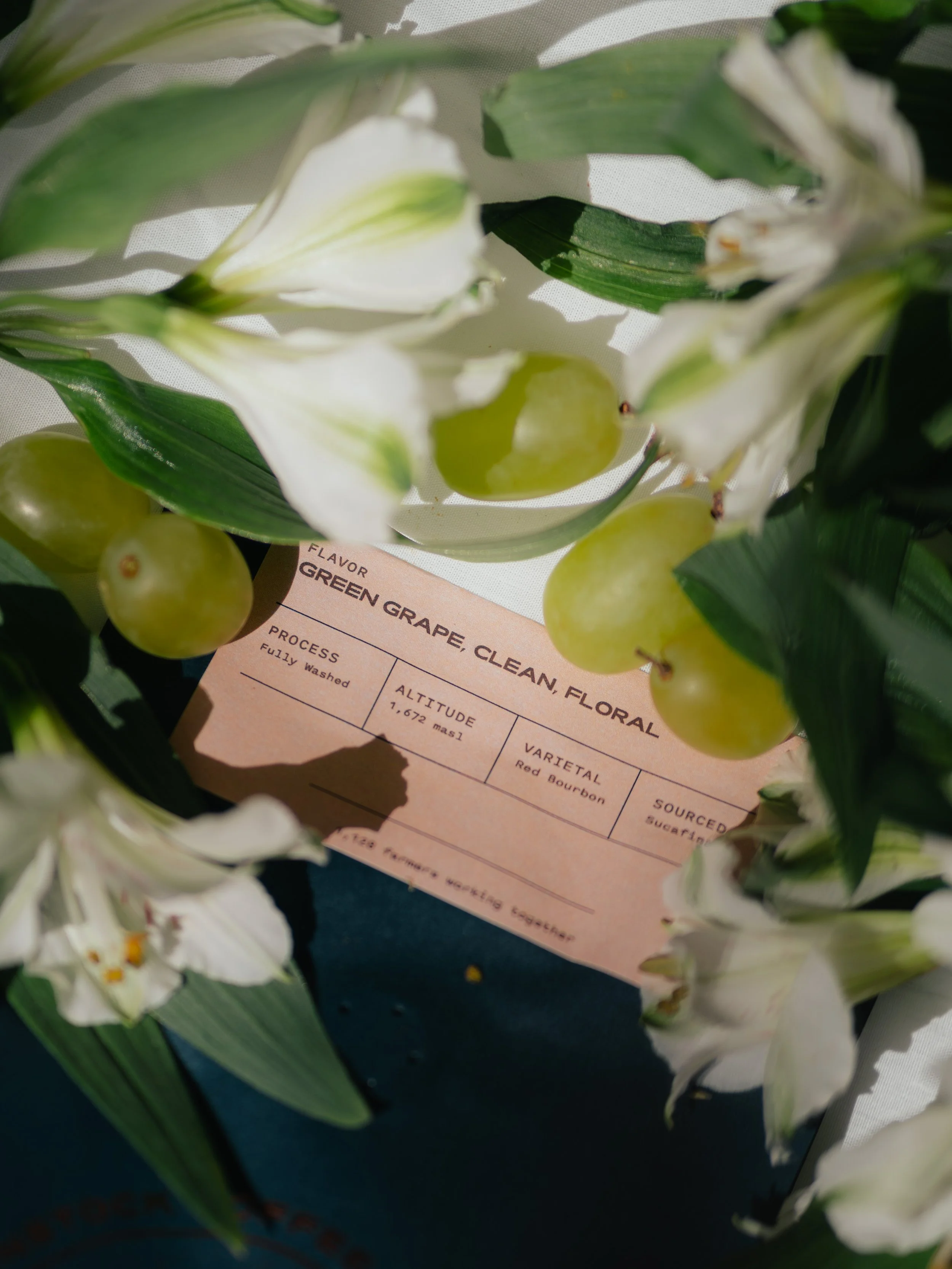
Elevation: 1,672 masl
Processing: Fully Washed
Varietal: Red Bourbon
Exporter: Sucafina
“Owner”: 1,128 farmers working with Greenco

Tasting Notes: Green grape, clean, juicy and floral

Masha’s coffee washing station shares its name with the sub-hill upon which it stands. That sub-hill? More famous for its cattle than its coffee. The name "Masha” comes from the Kirundi word “amasho”, meaning “herds of cattle”. Don’t have a cow about this coffee though, we love it and are truly appreciative of how juicy and vibrant and expressive it drinks for a fully washed.

This Burundi has lovely notes of clean juicy green grape, with some florals thrown in. Gentle yet expressive rounded acidity than we might not normally associate with this region. It drinks almost like a natural Ecuador or Nicaraguan, and we are here for it!

Size:

Country: Burundi
Region/Subregion: Kayanza / Gihororo
Washing Station: Masha Washing Station
Elevation: 1,672 masl
Processing: Fully Washed
Varietal: Red Bourbon
Exporter: Sucafina
“Owner”: 1,128 farmers working with Greenco

Tasting Notes: Green grape, clean, juicy and floral

Masha’s coffee washing station shares its name with the sub-hill upon which it stands. That sub-hill? More famous for its cattle than its coffee. The name "Masha” comes from the Kirundi word “amasho”, meaning “herds of cattle”. Don’t have a cow about this coffee though, we love it and are truly appreciative of how juicy and vibrant and expressive it drinks for a fully washed.

This Burundi has lovely notes of clean juicy green grape, with some florals thrown in. Gentle yet expressive rounded acidity than we might not normally associate with this region. It drinks almost like a natural Ecuador or Nicaraguan, and we are here for it!

Coffee. People. Potential. That’s the tag line of Long Miles Coffee, which sums up well their approach to buying and processing coffee and to how they invest in the communities in which they work. Their vision was to foster “meaningful and lasting change in the lives of Burundian coffee farmers and the coffee they produce”; it’s hard to imagine a business or organization doing it better. Since 2011, they’ve built three coffee processing mills in the remote hills of Burundi and expanded to Kenya and Uganda. Over that time they’ve started initiatives to reforest, provide agronomist training and fertilizer, and pay above Fair Trade premiums for quality. Honestly, that’s just the tip of the ice berg. Their coffees have also been recognized throughout the world for their clean, fruit forward, and consistent flavor profiles.